
On the majestic Mendocino Coast, a comprehensive effort to boost endangered coho salmon is producing immediate results with the help of a Water Boards permitting tool that is getting restoration projects shovel-ready faster.
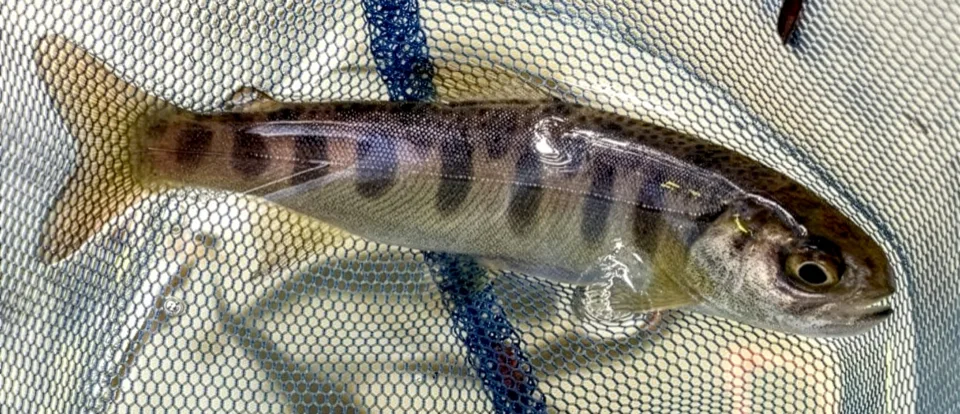
Once abundant, Central California Coast coho salmon were nearly extinct when listed as threatened under the Endangered Species Act in 1996. This unique run of coho salmon grows in freshwater streams for up to two years before migrating as adults to the Pacific Ocean.
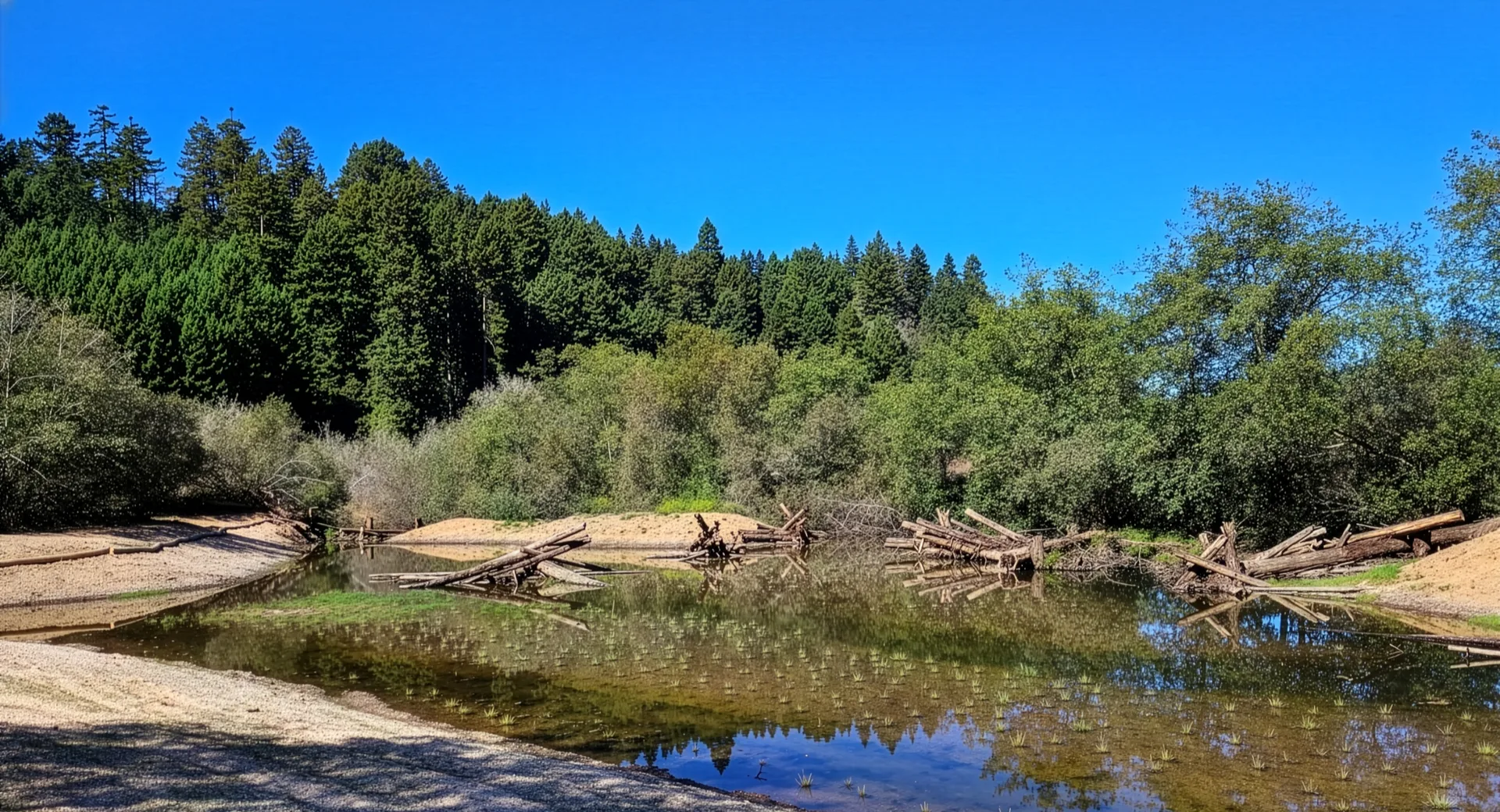
To give juvenile coho a better chance of survival, The Nature Conservancy, with technical assistance from the Water Boards and other state and federal agencies, is improving access to refuge within floodplains and restoring instream habitat. This important restoration work underway on a five-acre stretch of the Ten Mile River north of Fort Bragg is being accelerated with the use of the State Water Board’s Statewide Restoration General Order, a tool designed to hasten permitting without sacrificing water quality protections.
“The North Coast Water Quality Control Board and The Nature Conservancy have fostered a strong partnership, and we’ve used every tool in our permitting toolbox to help create a resilient stronghold for coho salmon in the Ten Mile River,” said Jake Shannon, North Coast Water Board restoration coordination specialist.
“We’ve used every tool in our permitting toolbox to help create a resilient stronghold for coho salmon in the Ten Mile River.”
— Jake Shannon, North Coast Water Board restoration coordination specialist
Restoring nature: part of the Earth Day vision
Borne from the first Earth Day protest in 1970, the landmark federal Clean Water Act remains the primary tool for not only regulating pollution and protecting the nation’s waters, but also restoring their chemical, physical and biological integrity.
While most environmental regulations focus on not making things worse, the federal act and California’s Porter-Cologne Water Quality Control Act both remain groundbreaking today because, instead of just restricting pollution, they seek to reverse some of the damage done.
Six months faster, $25,000 less
With the adoption of the Statewide Restoration General Order in 2022, the State Water Board took a major step to expedite the reversal of this damage by transforming how it permits large-scale environmental projects, such as floodplain restoration, fish passage and wildfire recovery. By removing barriers and streamlining approvals, the order furthers a state goal to accelerate projects like these that help Californians and nature thrive.
The restoration order is having an immediate impact. In 2025, it saved projects an average of $25,730 and reduced processing time by nearly six months per project. The restoration order saves projects time and money by:
- Clearly defining what kind of work is allowed.
- Expediting the environmental review process.
- Increasing the scope of restoration work.
Cutting Green Tape
As part of California’s Cutting Green Tape initiative, the restoration order renovates how the Water Boards engage, permit and support environmental projects that fight biodiversity loss due to a hotter, more variable climate.
“By laying out clear water quality expectations and providing useful analytical tools, the order is reducing permitting conflicts that used to bog down important environmental work,” said Jessica Nadolski, State Water Board senior environmental scientist. “The order is already paying dividends, delivering restoration at the pace and scale our state urgently needs.”
“The order is already … delivering restoration at the pace and scale (California) urgently needs.”
— Jessica Nadolski, State Water Board senior environmental scientist
A restoration recipe made easy
Restoration projects are really development projects, like building a road or house, which often require permits from multiple state and federal agencies. Sometimes, planning and permitting steps can unintentionally stall – or even end – projects that would improve the natural settings that support people and wildlife.
To streamline planning and legal requirements, the restoration order includes a suite of general protection measures that can be used as guidelines to minimize impact when designing projects. This template, or “restoration recipe”, gets projects shovel-ready faster. The restoration order also aligns with aspects of the California Department of Fish and Wildlife’s permitting.
From only 3,000 returning salmon to 30,000
After decades of decline, coho populations are showing signs of improvement. During the 2024-25 spawning season, an estimated 30,000 adult coho returned to Mendocino Coast streams to spawn. These numbers represent a significant leap from the past decade, where as few as 3,000 fish returned annually.
“Cutting the Green Tape [has] allowed us to implement bigger, more ambitious restoration projects on a faster timeline than ever before. This project went from concept to construction in just two years.”
— Peter Van de Burgt, The Nature Conservancy
The streamlined permitting has been instrumental to the coho project’s success, said Peter Van De Burgt, who manages the project for the conservancy.
“The more efficient and less size-limited permitting pathways that have been made available through the Cutting the Green Tape initiative have allowed us to implement bigger, more ambitious restoration projects on a faster timeline than ever before. This project went from concept to construction in just two years, and our restoration design was able to focus on maximizing ecological benefits at the site without having to narrow things down to meet permit-driven size limitations,” Van De Burgt said.
Many other success stories already
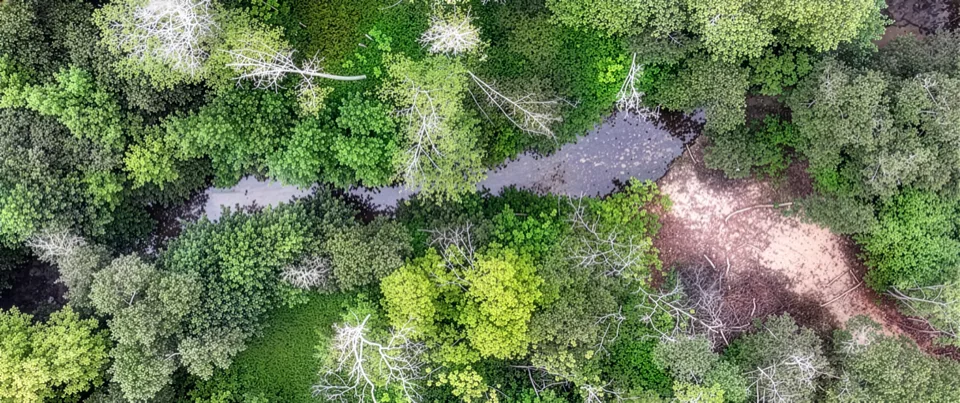
Projects restoring hundreds of thousands of acres of habitat and hundreds of miles of streams are being planned and implemented with the order.
The order is also helping:
- Restore about 150 miles of habitat used for holding, spawning, juvenile rearing, and migration of fish in the San Joaquin River.
- Meadow restoration work in the Inyo National Forest.
- Create fish habitat and floodplains on a creek in San Mateo County.
“Our Statewide Restoration General Order and the Cutting Green Tape initiative are proving to be major successes, facilitating hundreds of important projects that are protecting water quality and California’s great biodiversity,” said Nadolski, who supervises one of the State Water Board’s wetlands permitting units.
Learn more about the Statewide Restoration General Order and the state’s Cutting Green Tape initiative on the State Water Board and California Natural Resources Agency websites.