


San Mateo County Bay Beaches Bacteria Advance Restoration Plan
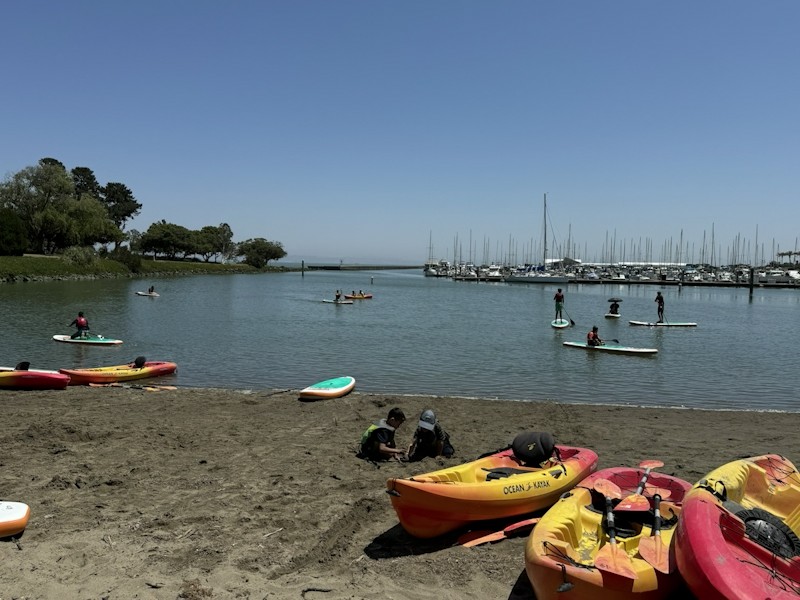
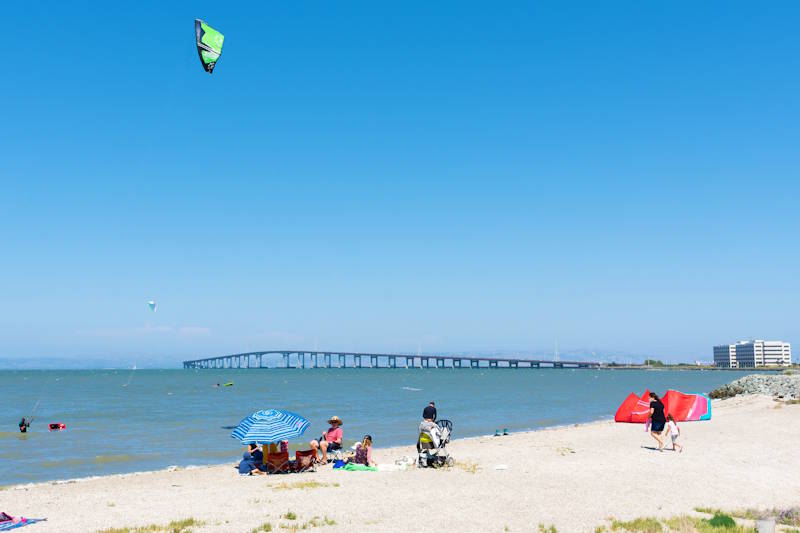
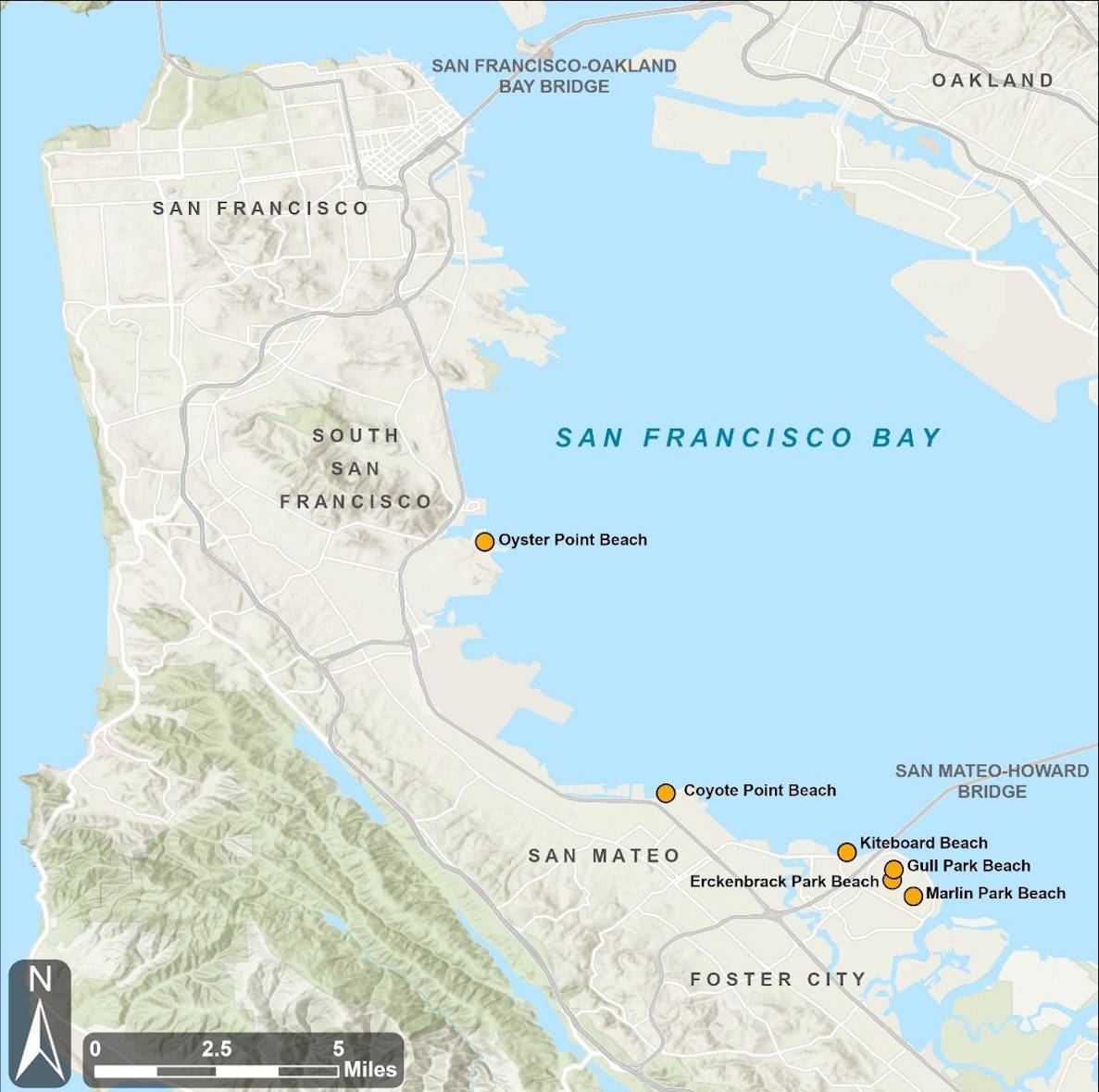
Oyster Point Beach in the City of South San Francisco, Coyote Point Beach in parkland of San Mateo County; and Kiteboard Beach, Gull Park Beach,
Erckenbrack Park Beach, and Marlin Park Beach in the City of Foster City have experienced elevated levels of Enterococcus, a fecal indicator bacteria.
These six beaches in San Mateo County are on the Clean Water Act 303(d) list of impaired water bodies because Enterococcus levels at these beaches exceed water quality objectives. An ARP has been developed that identifies likely sources of bacteria sources, outlines implementation actions, and establishes an adaptive management framework to improve water quality and protect recreational users. It also includes water quality monitoring to evaluate the effectiveness of the corrective actions and annual reporting. The ARP builds on existing efforts already underway, and relies on collaboration with local agencies and other partners. By leveraging voluntary actions and the Water Board’s existing regulatory authorities to require data collection and implementation measures, the ARP is expected to achieve water quality objectives more quickly than a traditional Total Maximum Daily Load (TMDL). If the ARP is successful, it will lead to removing the bacteria impairment of these beaches from the Section 303(d) list. If the Plan is not successful, the next step would be the development of a TMDL, which is a cleanup plan that is implemented through permits and orders the Water Board issues.
|
Project Documents
The San Francisco Bay Regional Water Board adopted a Resolution to support the Advance Restoration Plan at its meeting on June 10, 2026. Associated documents are available below:A Tentative Resolution and Staff Report describing the Advance Restoration Plan to address bacteria impairment will be considered by the Board on June 10, 2026.
Please Join Our Mailing List
Visit our subscription page to sign up to receive future information for San Mateo County Bay Beaches Bacteria ARP. Look for the section
entitled “Current Basin Planning/TMDL Projects” and check the box for “Pathogens in San Francisco Bay Beaches”.
You can sign up for other lists at the same time, if you wish.
For more information contact:
Selina Louie
Water Resource Control Engineer
Selina.Louie@waterboards.ca.gov
510.622-2383

