

North Coast Regional Water Board Program for Discharges of Waste Associated with the Production of Lily Bulbs
Announcements
On August 6, 2026, the North Coast Regional Water Board adopted General Waste Discharge Requirements for Commercial Lily Bulb Operations in the Smith River Plain (Lily Bulb Order) and certified the Final Environmental Impact Report. Those documents are linked below. See press release.
Utilice este formulario para solicitar la traducción de documentos: Formulario de Acceso al Idioma (Página 1 de 6) (office.com) Para preguntas, por favor póngase en contacto con la Oficina de Participación Pública al (916)-341-5254, o OPP-LanguageServices@Waterboards.ca.gov
Release of Proposed Lily Bulb Order and Final Environmental Impact Report:
On July 24, 2026 the North Coast Water Board released the Proposed Order R1-2026-0035 General Waste Discharge Requirements for Commercial Lily Bulb Operations in the Smith River Plain (Proposed Lily Bulb Order) and Resolution R1-2026-0036 certifying an accompanying Final Environmental Impact Report (Final EIR) that analyzed impacts from the proposed regulation.
The North Coast Water Board will hold a public hearing to consider adoption of the Proposed Order and certification of the Final EIR on August 6, 2026 at Elk Valley Rancheria starting at 4pm. See the Board Agenda page at least 10 days before the meeting for updates. Read the Notice of Public Hearing and the Staff Summary Report for more information.
Proposed Lily Bulb Order:
- Order R1-2026-0035 General Waste Discharge Requirements for Commercial Lily Bulb Operations in the Smith River Plain
- Attachment A: Monitoring and Reporting Program
- Attachment B: Management Practices
- Attachment C: Grower Coalition Requirements
- Attachment D: Methodologies and Procedures
- Attachment E: CEQA Mitigation Measures
- Attachment F: Forms and Templates
- Enrollee Help Guide
Resolution to certify the Final EIR:
- Resolution R1-2026-0036
- Final Environmental Impact Report for General Waste Discharge Requirements for Commercial Lily Bulb Operations in the Smith River Plain
- FEIR Attachment A: Proposed Lily Bulb Order
- FEIR Attachment B: Summary of Revisions and Response to Comments
- FEIR Attachment C: Draft EIR
- FEIR Attachment D: Draft Lily Bulb Order
- Attachment E: Written Comment Letters (available upon request)
Hardcopies of the Proposed Lily Bulb Order and the Final EIR are available at the North Coast Water Board, 5550 Skylane Blvd, Ste. A, Santa Rosa, CA 95403.
Release of 2025 SWAMP Monitoring Report Updates Memo
A new technical memorandum is now available. The 2025 SWAMP Report Updates Memo summarizes a selection of changes to some of the data, modeling results, and analyses presented in the 2025 SWAMP Report, originally released in September 2025 and discussed during the North Coast Water Board public meeting on October 8, 2025 (details below).
Read the memo here: 2025 SWAMP Report Updates Memo. Contact David Kuszmar at david.kuszmar@waterboards.ca.gov or Chris Watt at chris.watt@waterboards.ca.gov with any questions about the memo or for copies of records referenced therein.
Notice of North Coast Water Board Public Hearing in Crescent City on August 6, 2026
Notice of public hearing for No. R1-2026-0035 General Waste Discharge Requirements for Commercial Lily Bulb Operations in the Smith River Plain and No. R1-2026-0036 Resolution Certifying the Final Environmental Impact Report
North Coast Water Board public meeting in Crescent City
On October 8, 2025 the North Coast Water Board will hold a public meeting in Crescent City to present findings from the 2025 SWAMP Report (Smith River Plain Surface Water Monitoring Study 2021-2024) and provide an update on development of the Lily Bulb Order. Following the staff presentation, the Board will invite public comment View the Staff Summary Report for more details on what will be covered during the meeting. Members of the public may attend in person, join via Zoom, or watch the meeting online. View a flyer for this meeting in English, Spanish, and Hmong.
Details for the North Coast Water Board Meeting:
- Agenda: 10/08/2025 Board Meeting | California Northcoast Regional Water Quality Control Board
- Date & Time: Wednesday, October 8, 2025 · 6:00 PM
- Location: Del Norte County Board of Supervisors Chambers
981 H Street, Room 100, Crescent City, CA - Ways to Attend:
- In person
- By Zoom – [Click HERE to register]
- Watch live online at CAL-SPAN
- Public Comment: To provide comments, please attend in person or pre-register through Zoom.
- Language Access: Live interpretation in Spanish will be available. Please contact brenna.sullivan@waterboards.ca.gov for interpretive services.
Release of 2025 SWAMP Monitoring Report
The Smith River Plain Surface Water Quality Monitoring Report 2021–2024 (2025 SWAMP Report) is now available. This report summarizes findings from surface water monitoring conducted under the Smith River Plain Water Quality Management Plan between 2021 and 2024. Read the report here: 2025 SWAMP Report. Contact Ben Zabinsky at ben.zabinsky@waterboards.ca.gov for copies of Appendix A-G to the 2025 SWAMP Report.
CEQA Scoping for Public Comment: Notice of Preparation, Initial Study, and CEQA Scoping Meeting
A Notice of Preparation (NOP) of a Draft Environmental Impact Report to analyze environmental impacts from the Lily Bulb Order has been noticed. An Initial Study has been released for public comment. Access these documents at the links provided below:
- Access at the State Clearinghouse (SCH#2024100484)
General Waste Discharge Requirements for Commercial Lily Bulb Operations in the Smith River Plain (ca.gov) - NOP for Lily Bulb GWDRs
- Initial Study for Lily Bulbs GWDRs
- Español: Aviso de preparación y aviso de reunión de alcance
A CEQA Scoping Meeting with an in-person and virtual option will be conducted on:
Tuesday, October 22, 2024, 4:00 p.m.-6:00 p.m. in Crescent City, CA.
See the NOP link provided above for more information on how to attend the CEQA Scoping Meeting.
The comment period ends at 5:00 pm on Monday, November 25, 2024. Written comments may be submitted to the following email address with the subject line:
Attn: Lily Bulbs: NorthCoast@waterboards.ca.gov.
Smith River Community Meeting: October 21, 2024
Learn more about the project at a Community Meeting hosted by the North Coast Regional Water Board and True North Organizing Project. Meeting details:
October 21, 2024 from 6:00pm-7:30pm
Smith River United Methodist Church121 N Beckstead Ave, Smith River, CA 955676
Contact brenna.sullivan@waterboards.ca.gov for more information.
Lily Bulb Order Development and Adoption Schedule
Clink on available links below for more information.
Key Milestones and/or Public Meetings |
Target Date |
Tribal Outreach |
Spring 2024 |
Technical Advisory Group Meetings |
Summer 2024-Summer 2025 |
Smith River Community Meeting |
October 21, 2024 |
CEQA Scoping Meeting |
October 22, 2024 |
Draft Order and CEQA Document for Public Review |
Spring 2026 |
Public Hearing to Consider Adoption of Lily Bulb Order |
Fall 2026 |
Final Smith River Plain Water Quality Management Plan (SRPWQMP)
The Executive Officer approved the Smith River Plain Water Quality Management Plan (SRPWQMP or Plan) in November 2021 following revisions made in response to public comments received in March 2021. The Plan addresses the water quality impacts of lily bulb operations in the Smith River Plain documented through ongoing surface water sampling by the Regional Water Board. The Plan was written by Regional Water Board staff and developed collaboratively with a group of stakeholders called the Smith River Plain Watershed Stewardship Team. This team includes the lily bulb growers, the National Marine Fisheries Service, the California Department of Fish and Wildlife, the Tolowa Dee-ni’ Nation, the Del Norte Resource Conservation District, the Del Norte County Agricultural Commissioner, the California Department of Pesticide Regulation, and the Smith River Alliance (a local non-profit involved in fisheries restoration projects and planning). All partners made important contributions to the draft document.
The purpose of the SRPWQMP is to undertake an adaptive management project to evaluate the effectiveness of a wide range of best management practices adapted for use in the special environmental setting of the Smith River Plain and unique agricultural practices associated with the lily bulb operations.
The Smith River Plain Water Quality Management Plan accomplishes the following objectives:
- Describes lily bulb operations including current and planned water quality management practices to control potential discharges of waste to waters of the State.
- Documents and communicates the results of the adaptive management process used to develop water quality protection measures to address the effects and risks from potential discharges associated with lily bulb cultivation.
- Includes actions to address water quality problems identified through monitoring designed to lead to attainment of water quality standards in the Smith River Plain.
- Coordinates the Regional Water Board’s programs and regulations with other water quality programs and restoration initiatives in the Smith River Plain.
- Establishes and implements an adaptive management water quality monitoring plan that supports the following objectives: 1) evaluate potential discharges from lily bulb operations by comparison of downstream station results with upstream “background” stations; 2) evaluate the effectiveness of water quality management practices implemented by lily bulb growers; and 3) provide the data necessary to run the Biotic Ligand Model, which is being used to inform the site-specific adaptive management threshold concentrations for copper in the Smith River Plain.
- Establishes a system of public reporting for lily bulb growers to document the implementation of water quality practices on an annual basis.
- Provides a foundation for the development of a permit to regulate discharges associated with lily bulb operation in the Smith River Plain.
The Regional Water Board will use results from the implementation of the SRPWQMP to guide development over the next couple of years of general waste discharge requirements (WDRs) or a waiver of WDRs (permit) consistent with Water Code requirements, the requirements of the Policy for Implementation and Enforcement of the Nonpoint Source Pollution Control Program (State Nonpoint Source Policy), the Statement of Policy with Respect to Maintaining High Quality of Waters in California (State Anti-degradation Policy), and requirements the State Water Board has established for irrigated lands regulatory programs.
The development of the permit will include a separate stakeholder engagement process and public comment period. Permit development will also require an evaluation and preparation of the appropriate documentation necessary to ensure compliance with the California Environmental Quality Act (CEQA). To ensure the protection of water quality from discharges of waste associated with lily bulb operations while the permit is being developed, Regional Water Board staff will continue to conduct field inspections, implement the adaptive management monitoring plan, evaluate management practices designed to address water quality impacts, document practices with photographs, and will periodically report to the Regional Water Board.
Monitoring Program Reports for the Smith River Plain
From 2013-2017, the Regional Water Board staff collected surface water, streambed sediment, and groundwater samples in the Smith River Plain in order to better understand water quality conditions related to Easter lily bulb production. Two interim reports were released in November 2015; one documenting the surface water sampling and the other documenting the groundwater sampling. In 2018, Regional Water Board staff updated the November 2015 Surface Water and Sediment Interim Monitoring Report to include additional information and data collected in 2015. The January 2018 final report and the interim reports are available at the links below.
Surface Water Quality Monitoring Reports
- Final Smith River Plain Surface Water and Sediment Monitoring Report, 2013-2015 – January 2018
- Smith River Plain 2013 Surface Water and Sediment Interim Monitoring Report – November 2015
Groundwater Monitoring Reports
Annual Reporting
Growing Season Field Maps and Annual Management Practices Reporting
- 2021-2022 Reporting Information
- 2022-2023 Reporting Information
- 2023-2024 Reporting Information
- 2024-2025 Reporting Information
Background Information
May 26, 2015 Del Norte County Board of Supervisors Meeting
January 29, 2015 Regional Water Board Meeting, Santa Rosa
- Executive Officer's Summary Report - January 2015
- Powerpoint Presentation - January 2015
- Audio - January 2015
April 19, 2018 Regional Water Board Meeting, Weed
December 19, 2019 Regional Water Board Meeting, Santa Rosa
Contact Information
Interested parties are encouraged to sign up on the email list below to receive information about stakeholder involvement opportunities and updates on the progress of develop the various programs and permits:
Email List:
Water Board Contacts: If you have questions about the Smith River Plain WQMP Program, please contact:
Ben Zabinsky, Regional Water Board staff
(707) 576-6750
Ben.Zabinsky@waterboards.ca.gov
Examples of Best Management Practices (BMPs)
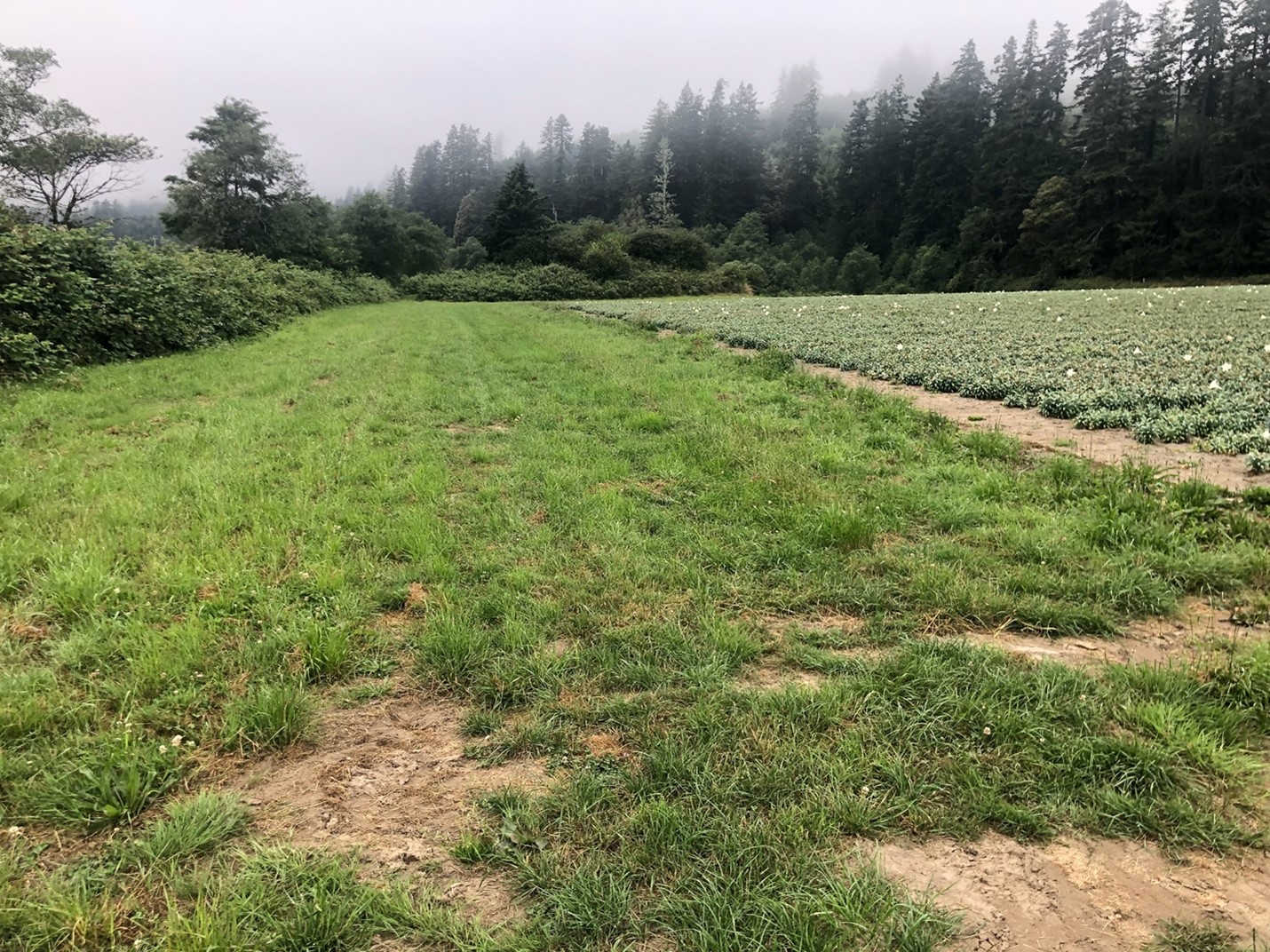
Filter Strip and Riparian Area Support BMPs.
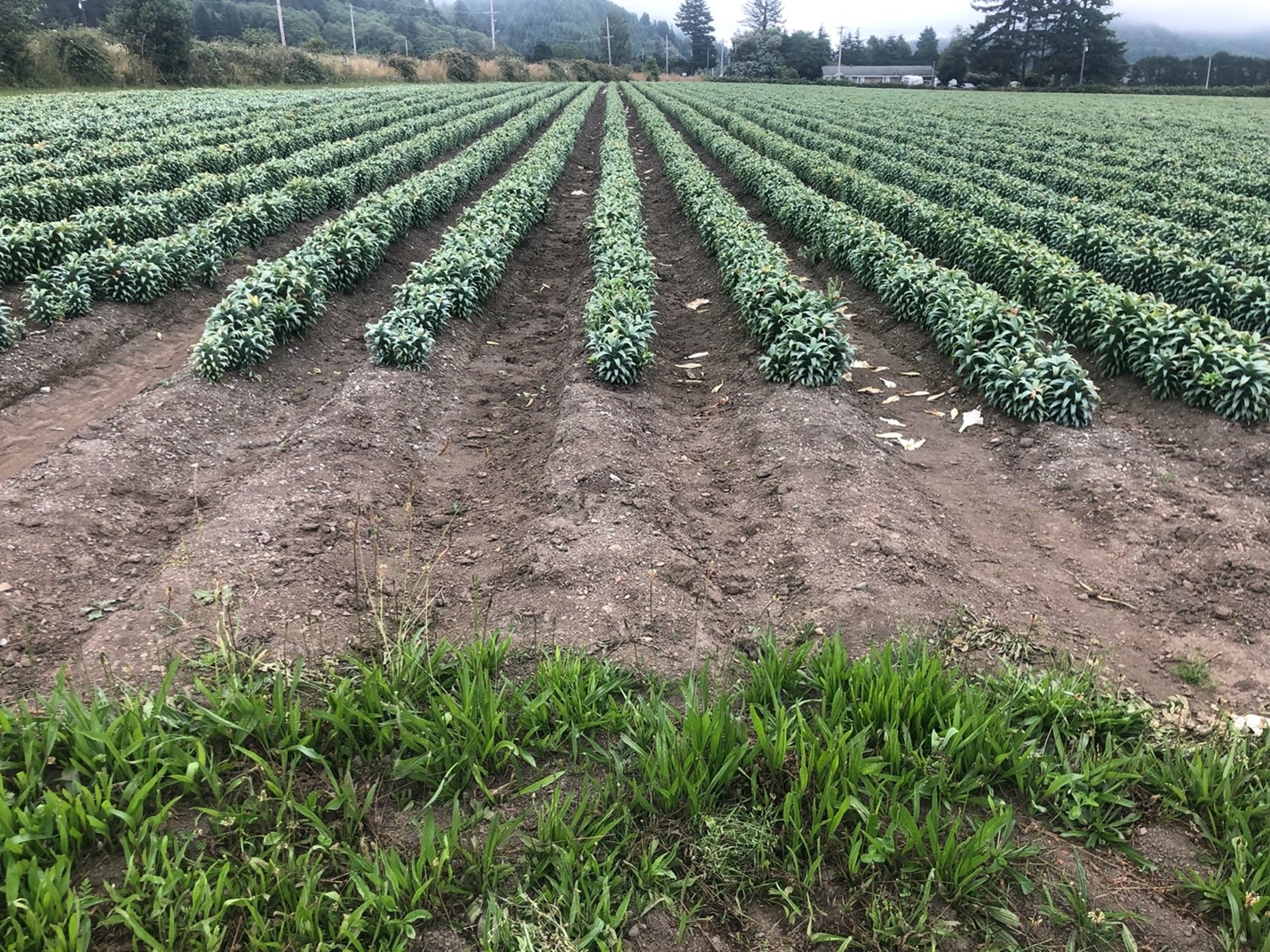
Sediment is captured in a Filter Strip BMP at the edge of the field.
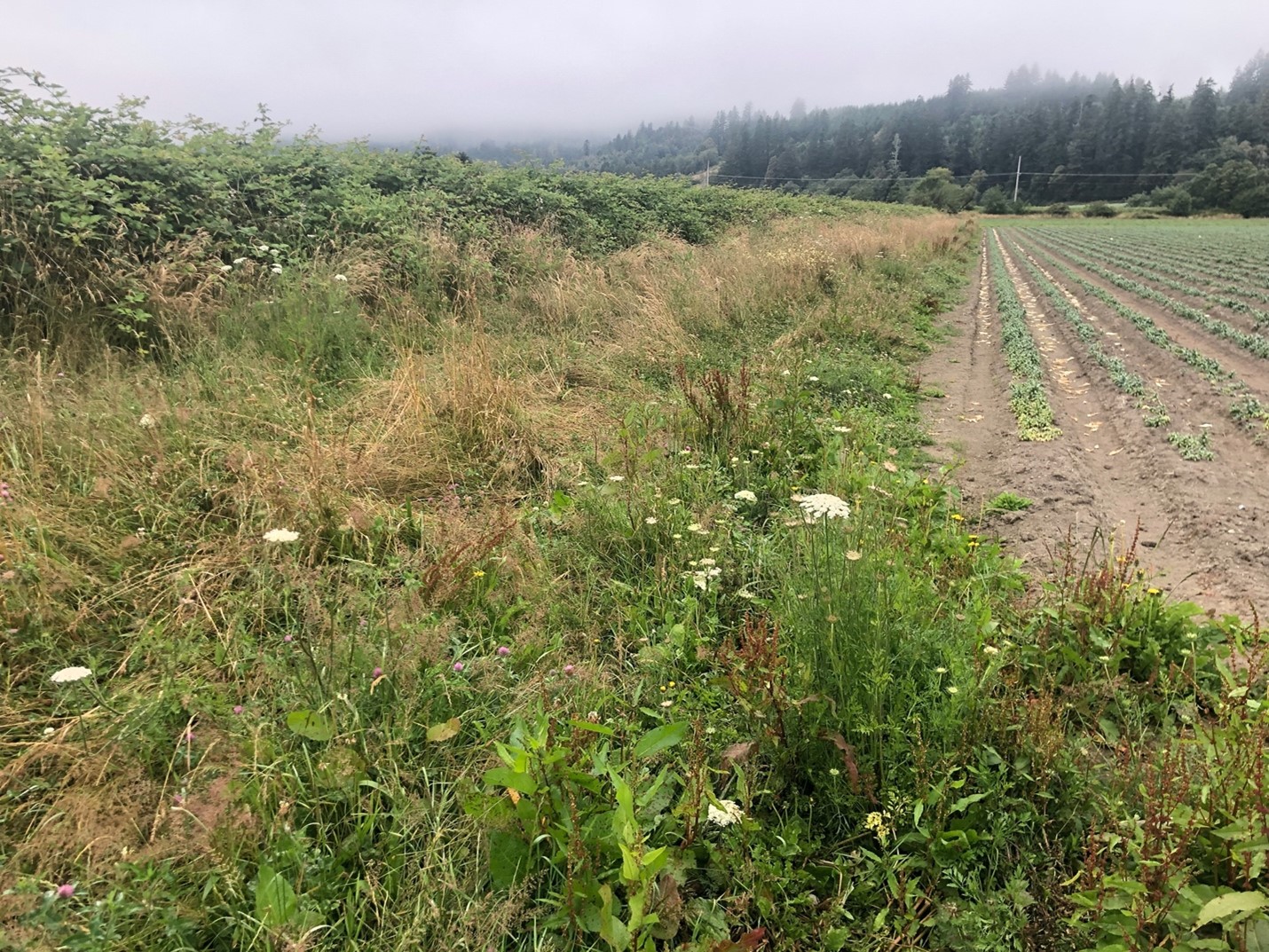
Stream Setback with Riparian Area Support BMPs.
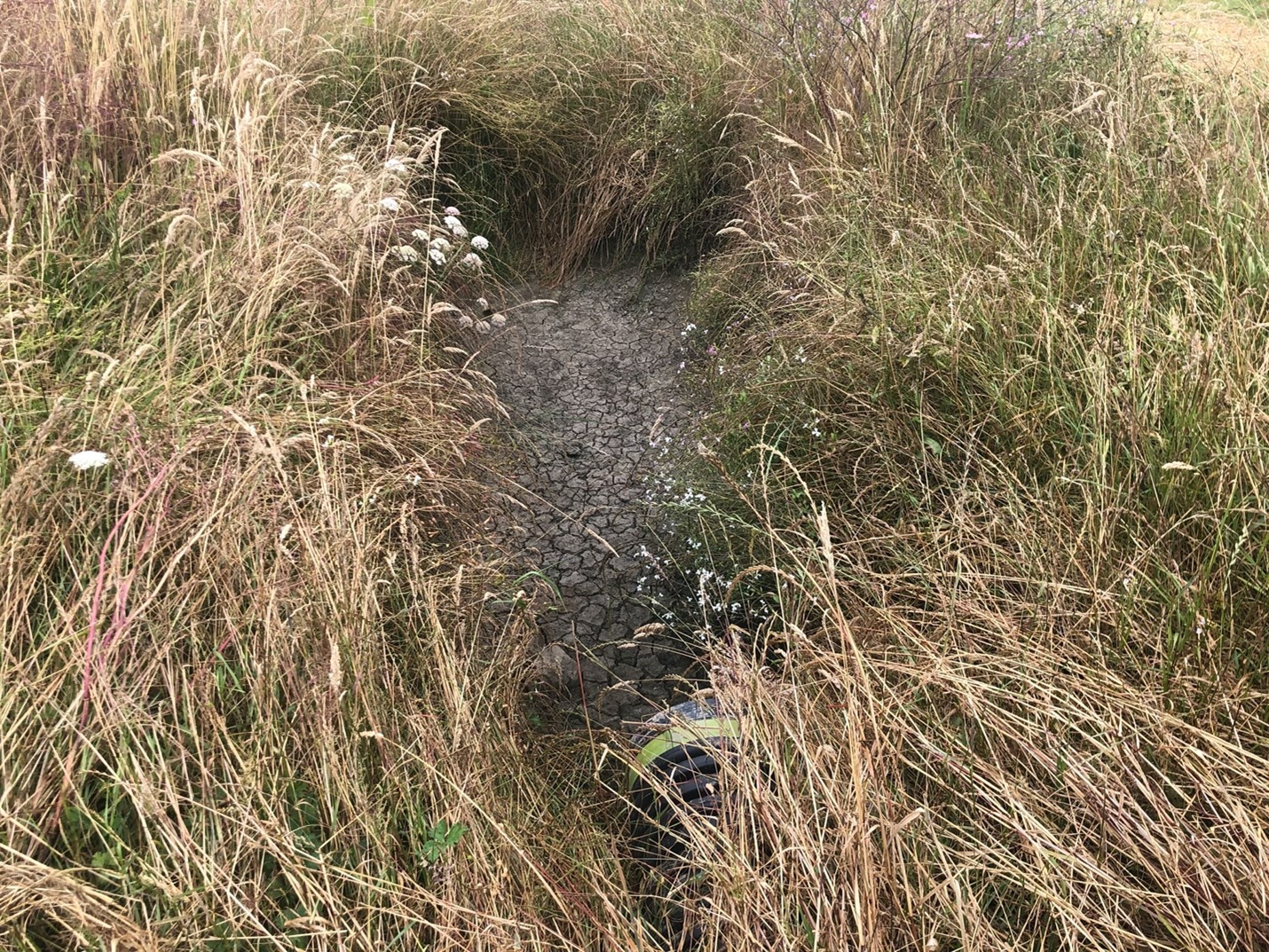
Sediment is trapped before entering a raised culvert in a Grassed Waterway BMP.
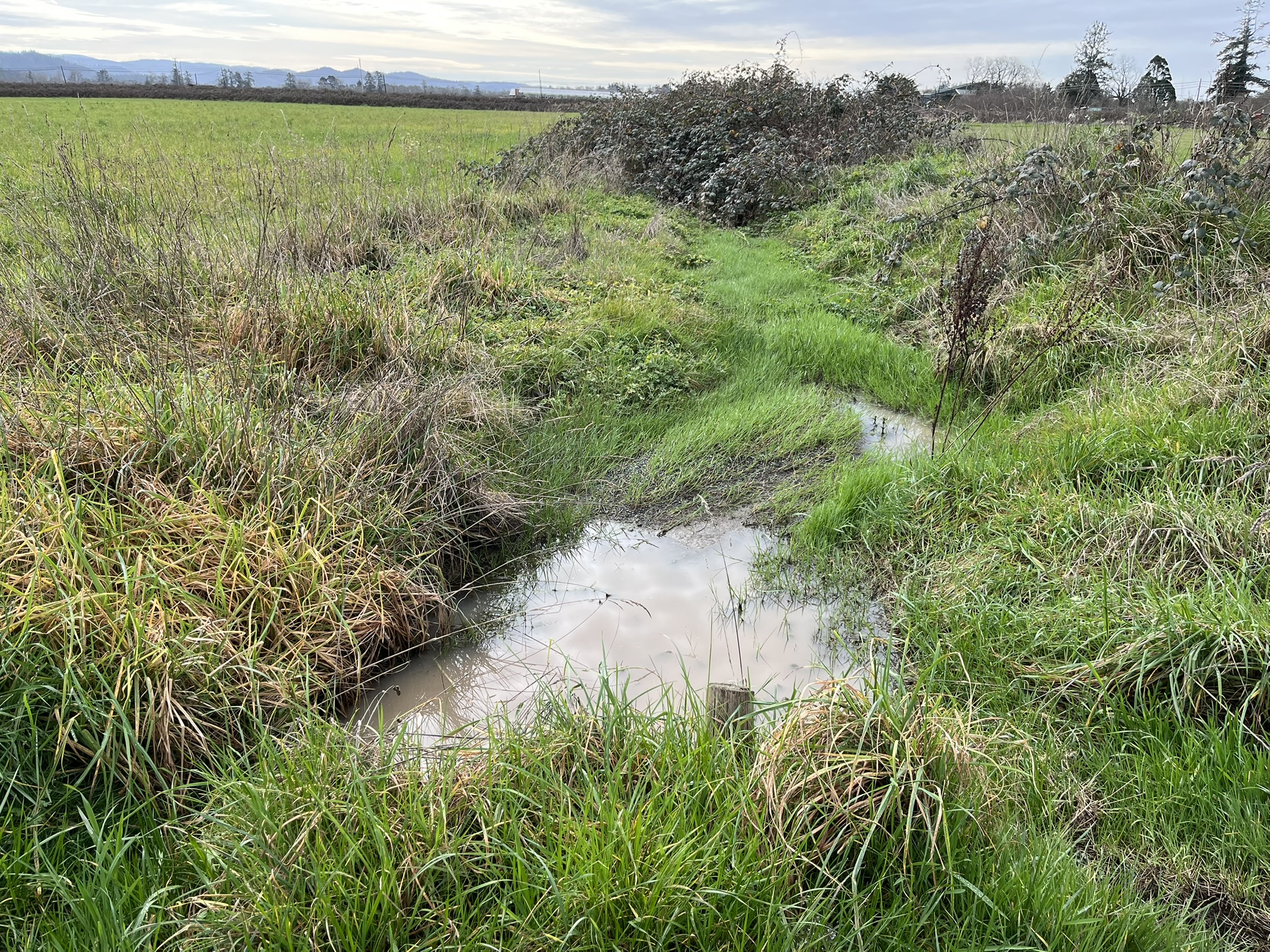
Field runoff is diverted into this Grassed Waterway BMP to allow for
infiltration of surface runoff and sediment deposition before draining to a creek
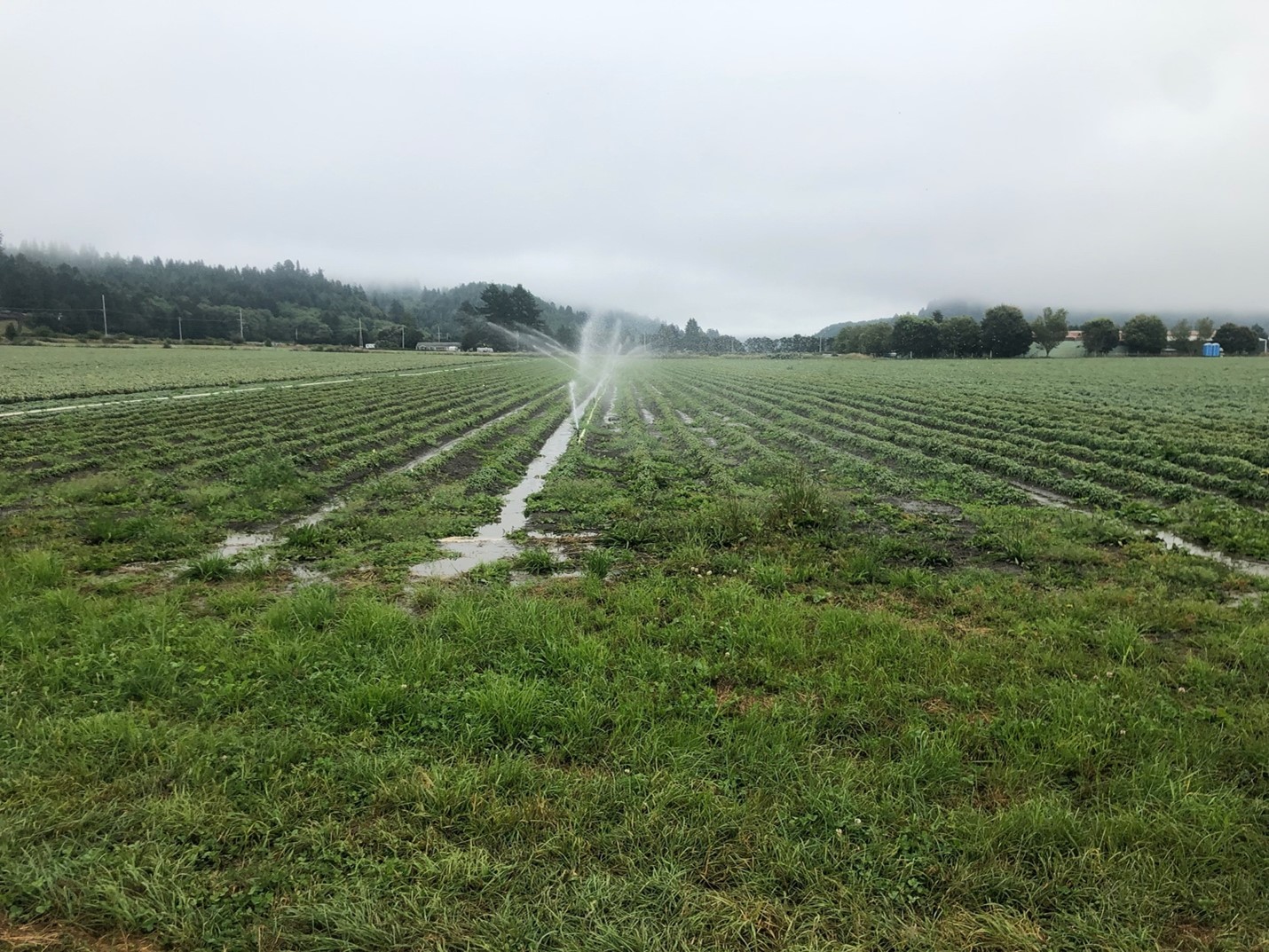
Active sprinkler irrigation and Filter Strip BMP. Irrigation runoff is usually minimal.
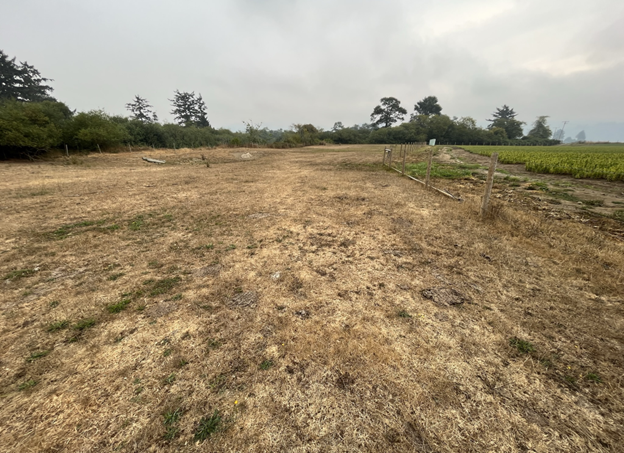
This field size has been reduced (Field Size Reduction BMP) resulting in enhanced
Filter Strip and Stream Setback BMPs next to a creek.
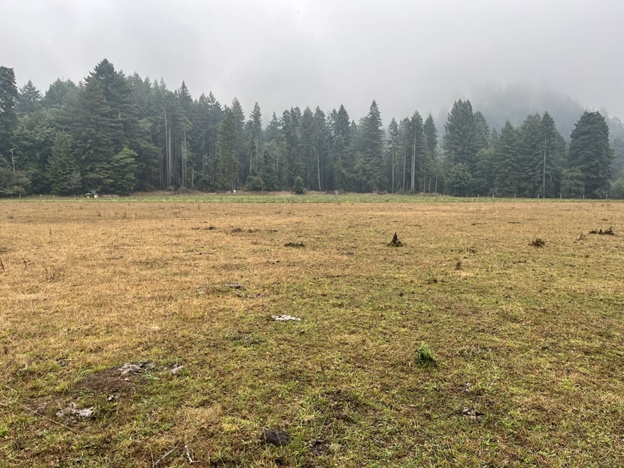
Field Isolation BMP. The lily field in distance is hydrologically disconnected from surface waters.
Runoff water flows through pasture before reaching a roadside ditch.
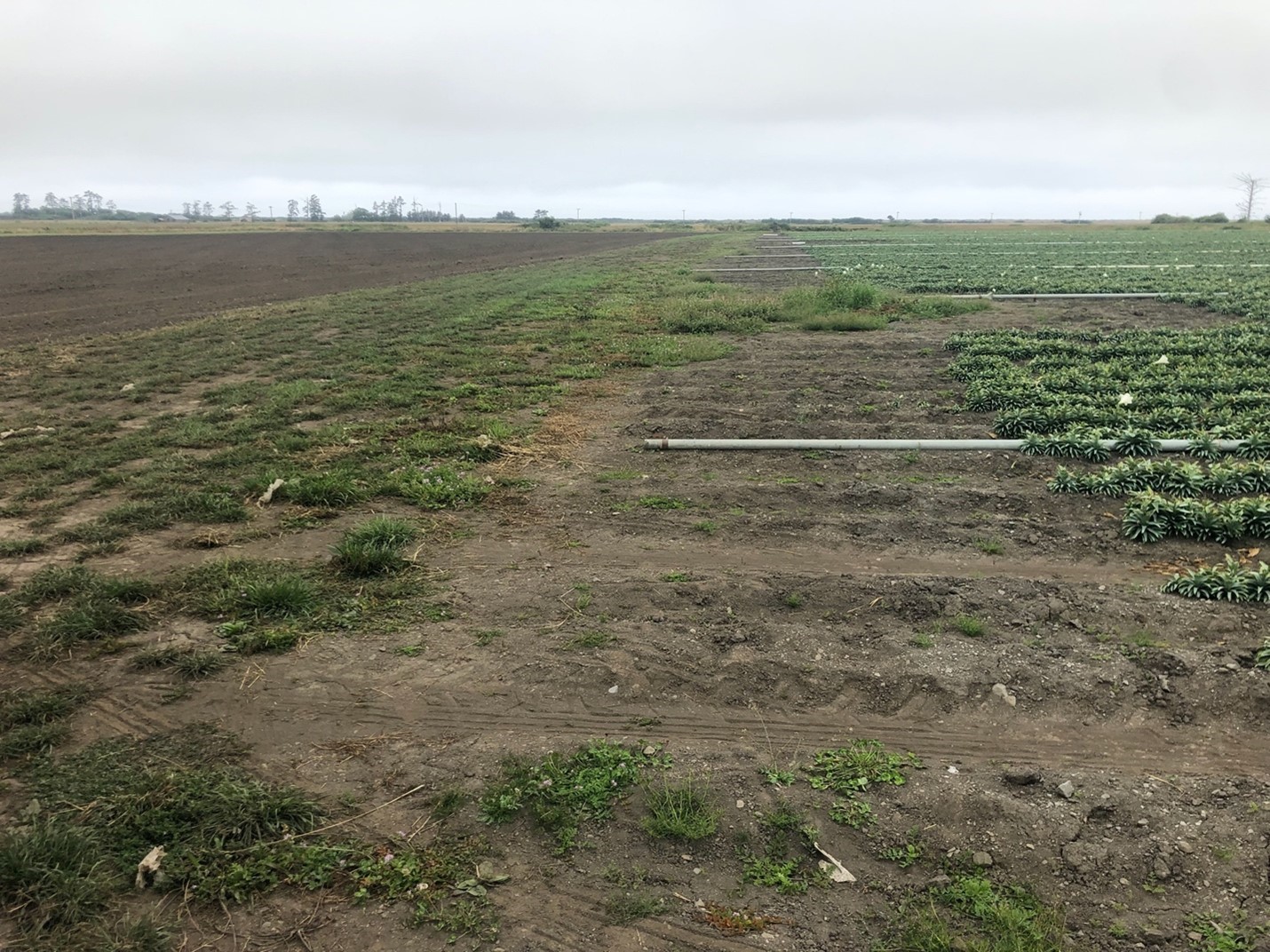
Filter Strip and Field Size Reduction BMPs; a formerly larger field
has been spilt into two smaller fields.
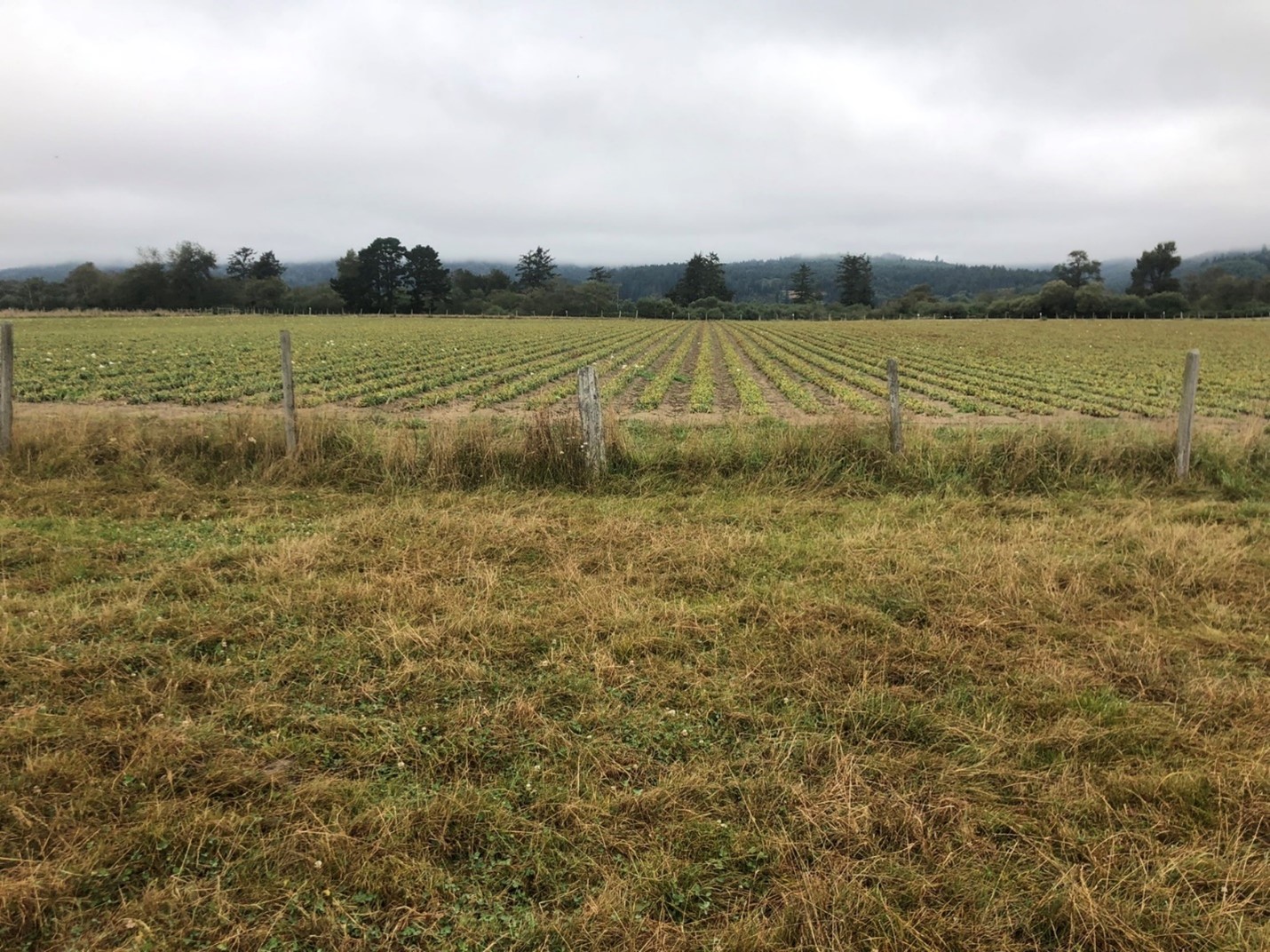
Field Isolation - water runs off lily field onto the pasture in the foreground.
In this way,
lily field runoff is hydrologically disconnected from surface waters.

