


Central Valley Water Board Harmful Algal Bloom Projects
Quick Links
The Delta near Stockton
HAB monitoring partnership with Restore the Delta
Kaweah Lake and River
HAB monitoring partnership with Tulare County
San Francisco Estuary
NOAA Monitoring and Event Response for Harmful Algal Blooms (MERHAB) project
Hensley and Eastman Lakes
Water Board special study of HAB patterns and drivers
The Delta - Research Projects
Collaborative monitoring and special studies.
Biointegrity and Biostimulatory Science
Eutrophication research and applications
Clear Lake
TMDL program and other efforts
The Delta near Stockton - HAB Monitoring Partnership with Restore the Delta
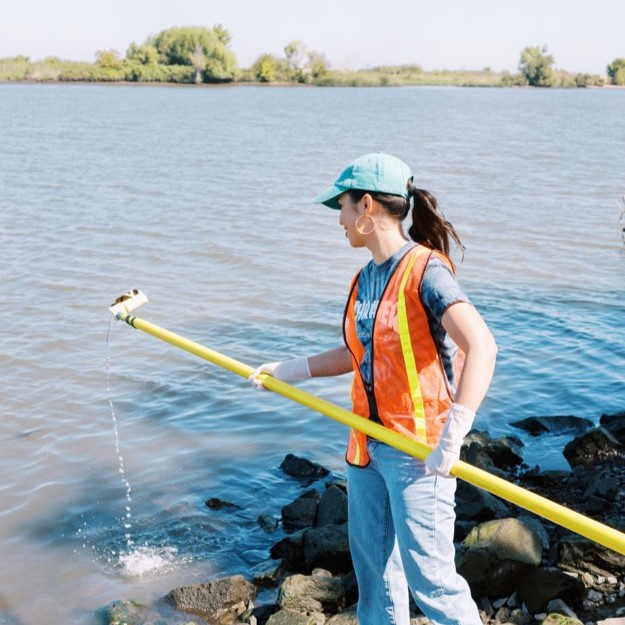
The Central Valley Water Board (CVWB) and Restore the Delta (RTD) began a partnership in 2022 to monitor HABs in the Delta near Stockton. This partnership has continued to date.
Summer 2026 HAB monitoring will consist of weekly site visits by RTD staff for visual monitoring, sonde measurements, and a field screening test for microcystins. Water samples funded by the FHAB Program will be collected 1-2 times per month for lab analysis of microcystins.
In 2026, RTD staff will also collect weekly E. coli samples in partnership with the CVWB Surface Water Ambient Monitoring Program (SWAMP).
View the latest HAB advisories:
Kaweah Lake and River - HAB Monitoring Partnership with Tulare County
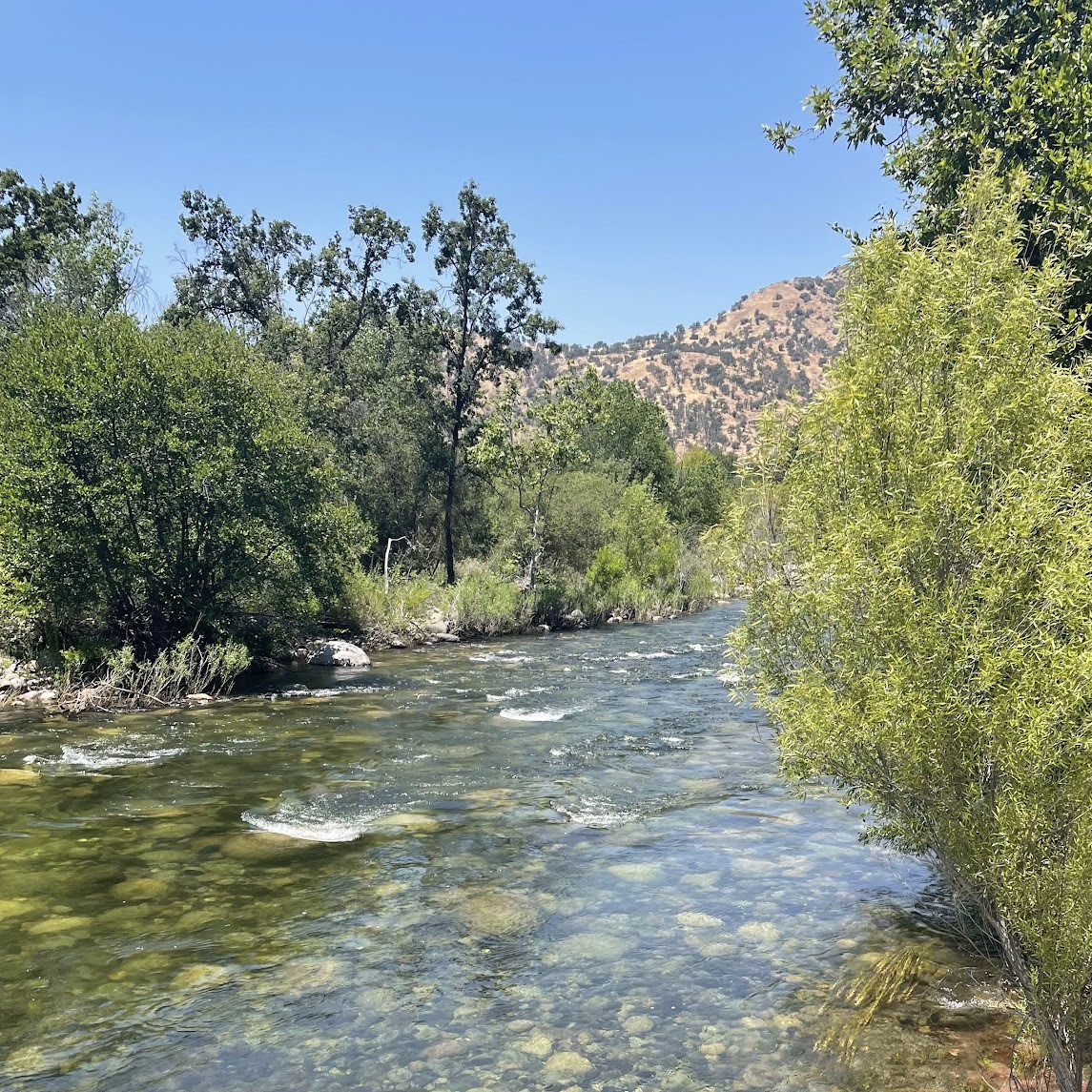
The Central Valley Water Board is partnering with Tulare County Environmental Health to monitor Kaweah River for HABs after a series of bloom reports were submitted by members of the public in 2022. Monitoring planned for 2023 was suspended due to high flows.
Tulare County staff conducted summertime HAB monitoring every other week along Kaweah River near Three Rivers in 2024 and 2025. Monitoring included visual assessments and cyanotoxin analysis of water grabs, benthic material and passive samplers. Visual assessments are expected to continue for summer 2026 with cyanotoxin testing as needed.
View the latest HAB advisories:
San Francisco Estuary - NOAA Monitoring and Event Response (MERHAB)

Project title: New technologies and a coordination framework for an integrated HAB detection and monitoring system across the San Francisco Estuary.
Central Valley Water Board staff will serve on a team of co-investigators to advance an integrated HAB detection and monitoring system across the San Francisco Estuary. The project is led by scientists at the San Francisco Estuary Institute (SFEI), US Geological Survey (USGS), and CA Department of Water Resources (DWR). This work is funded by the NOAA MERHAB Program through 2028.
Learn more about this project:
- Building a framework for an integrated HAB detection and monitoring system in San Francisco Estuary (SFEI Project Page)
- Advancing an Integrated HAB Detection and Monitoring System Across the San Francisco Estuary (NOAA Project Page)
Learn more about the NOAA MERHAB Program:
Hensley and Eastman Lakes
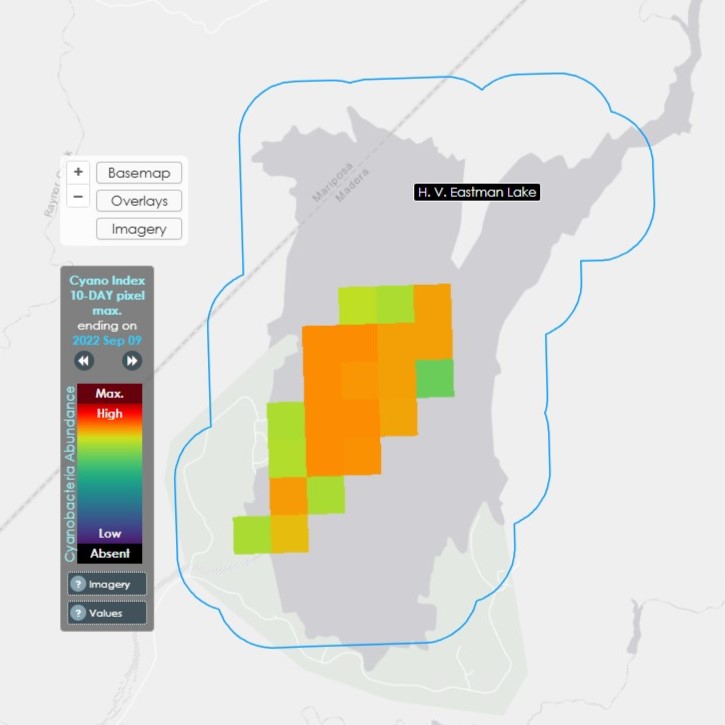
Popular recreational lakes H.V. Eastman and Hensley are located within 15 miles of each other in the Sierra Nevada foothills. Both lakes have experienced annual HAB events. In situ samples from the lakes and upstream tributaries were collected by CVWB between May 2021 and December 2022 to investigate the patterns and drivers of HABs at these lakes.
Products:
- Manuscript in prep
- Presentation at 30th Annual California Aquatic Bioassessment Workgroup (CABW) 2023 Meeting (Video will open in YouTube)
The Delta - HAB Research Projects
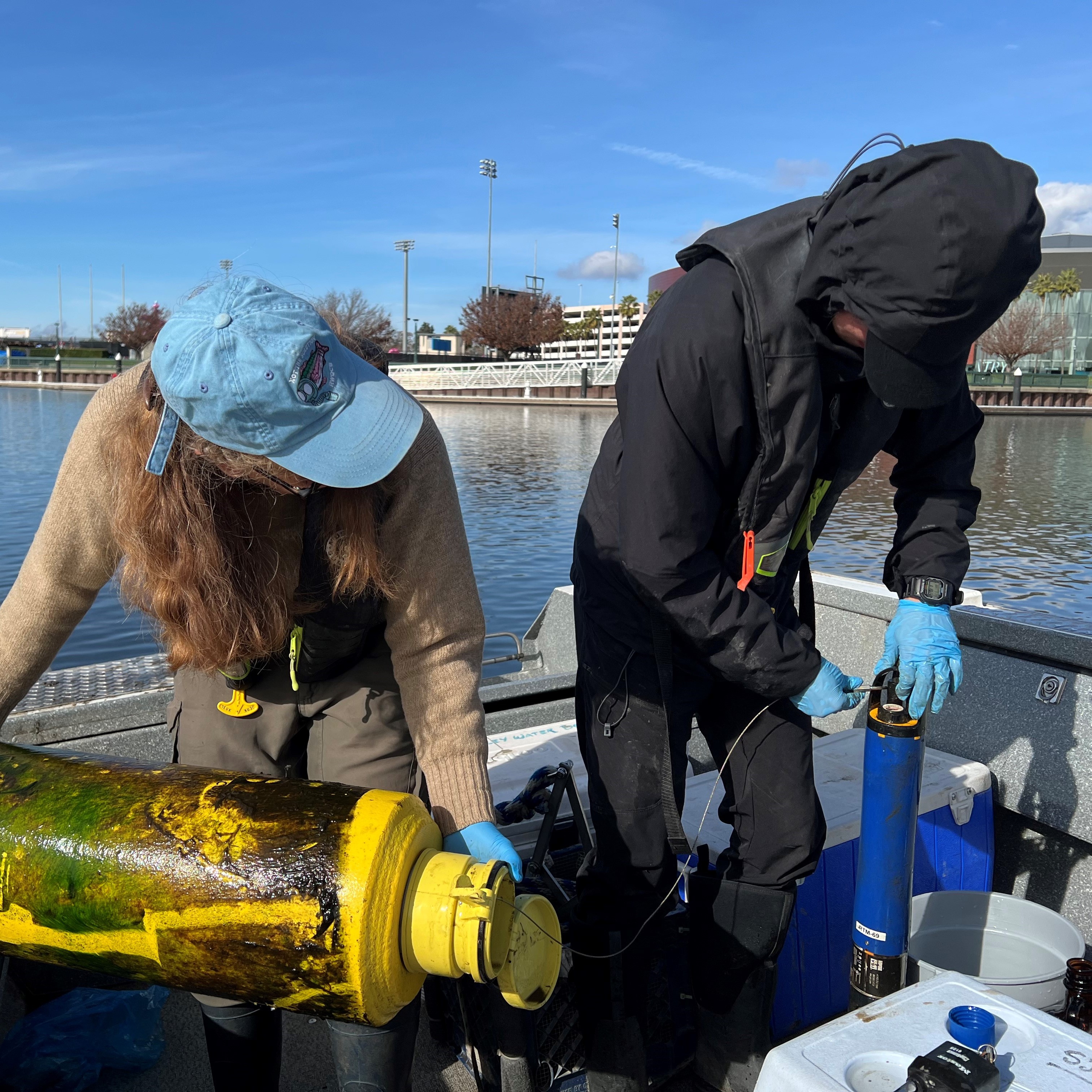
Comprehensive information about the CVWB's work in the Delta can be found on the Delta Water Quality webpage.
The highest priority information gap identified in the CVWB's Delta Nutrient Research Plan is to improve understanding of causes, trends and potential for management of HABs in the Delta. Staff are involved in several collaborative projects advancing HAB monitoring and research.
A select list of CVWB HAB-related projects and efforts in the Delta are highlighted below. HAB-related publications from CVWB work in the Delta can be found on the Central Valley Water Board HAB Documents webpage.
Recent Projects:
- Cyanobacteria HAB Monitoring Strategy for the Sacramento-San Joaquin Delta - CVWB staff contributed to the development and publication of this strategy and continue to be involved in its implementation.
- For information about strategy implementation, contact the Interagency Ecological Program's Water Quality and Phytoplankton Project Work Team.
- CVWB staff are partnering on a project with the State Board Division of Water Rights, the Department of Water Resources (DWR), and Bend Genetics LLC to study the overwintering of cyanobacteria cells in the benthos across habitat types (2023-2025).
Biointegrity and Biostimulatory Science
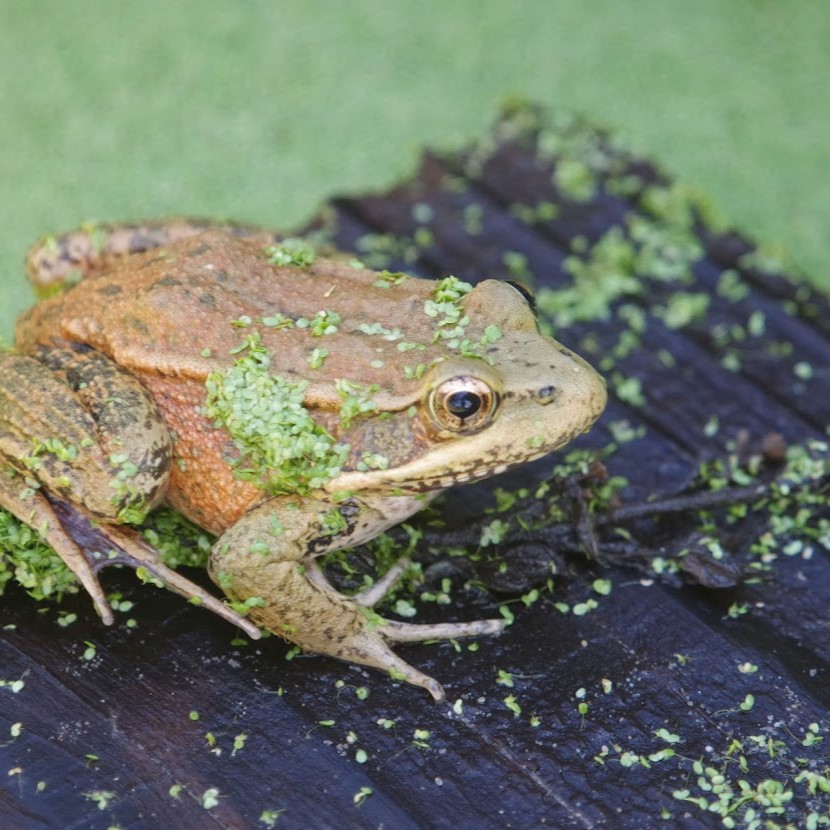
The State Water Resource Control Board (State Water Board) is developing a statewide plan for biostimulatory substances and cyanotoxins under the Biostimulation, Cyanotoxins, and Biological Condition Provisions.
In an effort to provide additional information, the Central Valley Water Board contracted with the Southern California Coastal Water Research Project (SCCWRP) to complete additional analysis focused in the Central Valley.
Products:
- Technical reports and a memo from Central Valley Water Board executives can be found here: Surface Water Ambient Monitoring Program (SWAMP).
Clear Lake
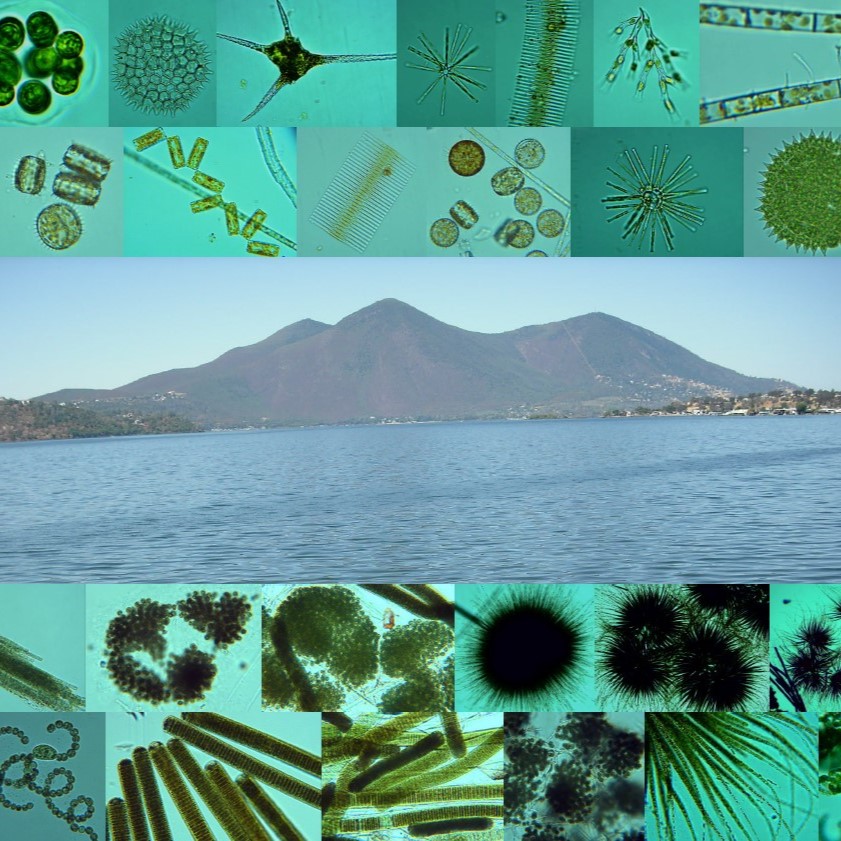
Clear Lake is the largest natural freshwater lake in California. HABs have been observed in Clear Lake throughout the 20th century with blooms well documented and described since the early 1970s.
Links:
- Visit the Clear Lake Nutrient Control Program and TMDL webpage to learn more about the Central Valley Water Board's work at Clear Lake.
- Visit the Big Valley Band of Pomo Indians Clear Lake Cyanotoxins webpage to view current HAB advisory levels and learn about the tribe's monitoring program.
Navigation
Contact Us
FHAB Program Coordinator:
Dana Shultz
(916)464-4638
Dana.Shultz@waterboards.ca.gov
Web page problems:
Webmaster5@waterboards.ca.gov
Email Subscription List
Subscribe to the below email lists to receive notifications and updates.
Cyanobacteria and Harmful Algal Bloom (CCHAB):
SWAMP - Freshwater and Estuarine Harmful Algal Bloom (FHAB) Program:

