


The Sustainable Groundwater Management Act
In 2014, the California State Legislature adopted the historic Sustainable Groundwater Management Act (SGMA), which established a statewide framework to protect groundwater resources. The information on this webpage explains what SGMA is and the importance of sustainably managing California's groundwater. More information about the State Water Resources Control Board's role in SGMA is available in our frequently asked questions document and on our State Intervention webpage.
What is Groundwater?
Groundwater is water located beneath the Earth's surface, filling the pores and cracks in soil, sand, and rock, forming underground reservoirs called aquifers. A groundwater basin is generally an aquifer, or stacked aquifers, with naturally defined boundaries. Subbasins are portions of groundwater basins that are subdivided by either geologic, hydrologic, or political boundaries. To learn more about groundwater, visit the USGS website.
Why Protect Groundwater?
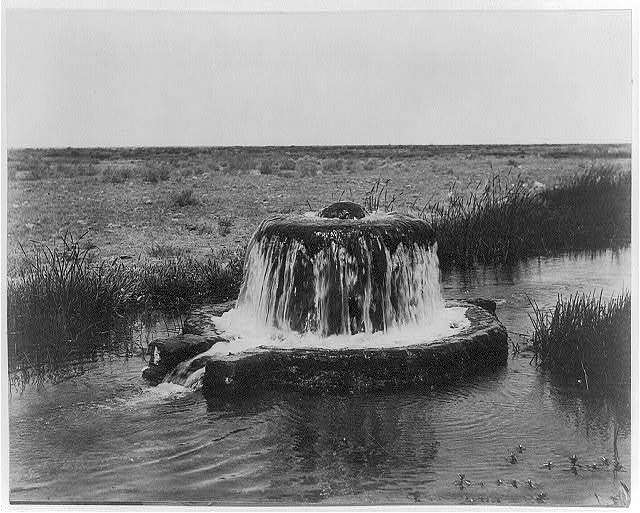
Groundwater is one of California's greatest natural resources. In dry years it makes up to 60 percent of the state's total water supply, serving as a buffer against the impacts of drought and climate change. Even when California has adequate precipitation, groundwater still makes up to 40 percent of the state's total water supply. Groundwater is vitally important to California's agricultural industry and is a major source of the state's drinking water; approximately 33 million Californians use groundwater for drinking or other household uses. Groundwater is also important to the natural habitat since it replenishes streams, creeks, rivers, and wetlands that support wildlife.
Why Do We Need SGMA?
SGMA was enacted to halt the unsustainable use of groundwater and bring groundwater basins into balanced levels of pumping and recharge. Overuse and excessive groundwater pumping can overdraft aquifers, emptying them faster than natural systems can recharge them leading to: lowering of groundwater levels, permanent loss of storage in aquifers, land surface sinking (subsidence), degradation of water quality, seawater mixing with fresh groundwater in coastal areas (seawater intrusion), and diminished surface water supplies where surface water and groundwater are interconnected. These six effects are referred to as sustainability indicators, and when impacts to these indicators become significant and unreasonable they are undesirable results. SGMA requires planning to prevent these impacts so that communities can continue to rely on groundwater for household uses, agriculture, habitat, and other needs.
What is SGMA?
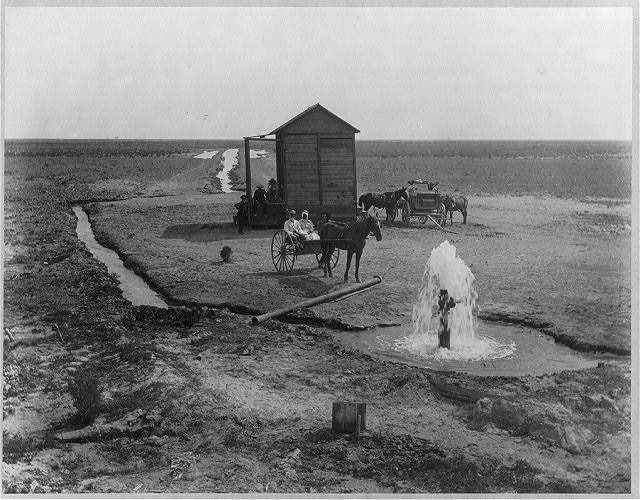
SGMA is California's plan to help communities manage their groundwater for the long term. SGMA requires local agencies to form groundwater sustainability agencies (GSAs) in high- and medium-priority basins, and develop and implement groundwater sustainability plans (GSPs).
- GSPs address overuse and excessive groundwater pumping and outline how GSAs will manage groundwater to achieve long-term sustainability without causing undesirable results (the significant and unreasonable effects associated with the six sustainability indicators listed above in the "Why Do We Need SGMA?" section).
- GSAs develop and implement GSPs. These agencies are responsible for the long-term sustainable management of their groundwater basins and must achieve sustainability within 20 years of implementing their GSPs. The groundwater basins experiencing the most severe overdraft, known as critically over-drafted basins, must achieve groundwater sustainability by 2040. For the remaining high- and medium-priority basins, 2042 is the sustainability deadline. See the Groundwater Legislature Timeline for more details.
Agencies Implementing SGMA
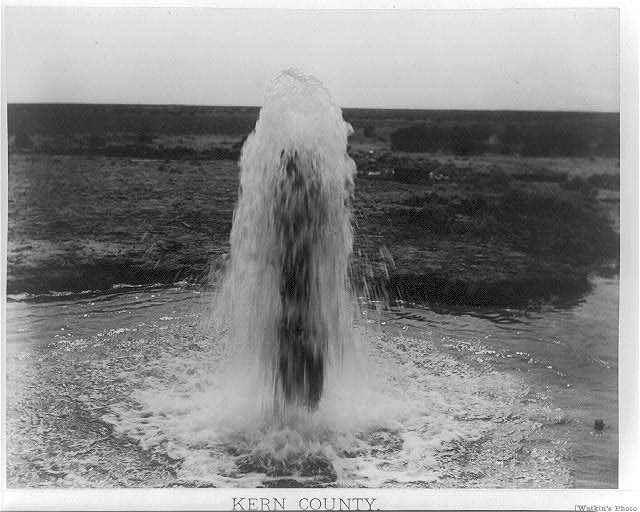
Local agencies are responsible for the sustainable management of their groundwater basins; however, state agencies provide oversight to ensure local groundwater management activities achieve SGMA's goals. The California Department of Water Resources (DWR), which is a state department in the California Natural Resources Agency, and the State Water Resources Control Board (State Water Board or Board), which is an independent board within the California Environmental Protection Agency, are the two lead state agencies implementing SGMA. Open the sections below to learn more about each of the agencies implementing SGMA.
A GSA can be formed by a single local agency or a combination of local agencies including water districts, counties, irrigation districts, cities, and other local government entities. GSAs are responsible for developing and implementing GSPs that detail how groundwater will be sustainably managed and used at the local level. You can find a GSA's name and contact information by location on the State Water Board's Groundwater Basins webpage.
DWR is the primary technical assistance and oversight agency responsible for assessing and evaluating GSPs for compliance with SGMA. DWR also provides ongoing assistance to local agencies: through Best Management Practices and Guidance Documents to assist GSAs in developing GSPs; through assistance and engagement, including facilitation support and written translation; by providing access to a variety of data and tools including data libraries and dataset viewers; and providing financial assistance through their Sustainable Groundwater Management Grant Program.
The State Water Board acts as the state “backstop” and will temporarily intervene in the management of a groundwater basin when DWR deems a groundwater sustainability plan (GSP) inadequate and refers that basin to the Board, or when a basin, or portion of a basin, is not part of a GSA. The State Water Board steps in to temporarily manage the basin in a process called "state intervention" and works with GSAs to resolve GSP and/or implementation deficiencies. State intervention has two possible phases:
- The Board may decide to place a groundwater basin on probation, after providing notice and holding a public hearing.
- In the second phase, after another public hearing, the State Water Board may implement an interim plan to manage groundwater in the basin.
At any point during state intervention, the Board may determine that GSAs have resolved the issues that lead to state intervention and return the basin back to DWR's jurisdiction. To learn more about the status of basins that are or were under State Water Board oversight, visit our Groundwater Basins webpage.
SGMA Legal Background and Development
In 2014, Governor Jerry Brown signed a three-bill legislative package collectively known as the Sustainable Groundwater Management Act (SGMA). In his signing statement, Governor Jerry Brown emphasized that "groundwater management in California is best accomplished locally." The bills are AB 1739 (Dickinson), SB 1168 (Pavley), and SB 1319 (Pavley). SGMA is the first legislative act that California passed in order to achieve sustainable groundwater management (for details, see the legislation with updates, effective January 2026). On May 16, 2016, the State Water Resources Control Board adopted a resolution, establishing rules for measuring and reporting groundwater pumping and paying fees to the Board under probation and interim plans. The Office of Administrative Law approved the final regulation on June 29, 2017. The regulation has been revised several times since then.
SGMA Links
Contact Us
If you have questions, please call us at 916-322-6508 or email at SGMA@waterboards.ca.gov.
Join the Mailing List
Subscribe to our email list to receive State Water Board announcements, updates, and information on SGMA activities.
Need Translation or Interpretation Services?
The California Water Boards provides Language Access services in any language at no cost to you.
To request these services, or file a complaint, click on the button below to open the language access form.
The form is available in English, Español (Spanish), Tagalog, 中文 (Simplified Chinese), 한국인 (Korean), Tiếng Việt (Vietnamese), ਪੰਜਾਬੀ (Punjabi).

